Catford Bridge station bulky waste pickup case study
Posted on 26/08/2026
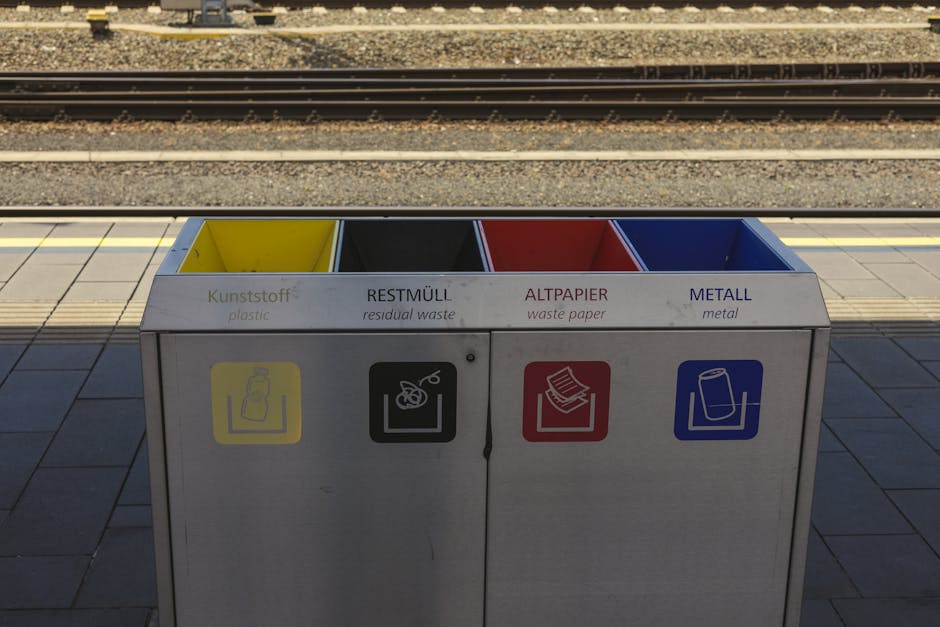
If you have ever tried to deal with bulky waste near a busy station, you will know it is rarely just about lifting a sofa and driving off. Timing matters, access matters, and the street scene around a transport hub can turn a simple collection into a small logistical puzzle. This Catford Bridge station bulky waste pickup case study looks at how a local bulky item removal job can be planned properly, handled safely, and completed with as little disruption as possible.
We will walk through why these pickups matter, how the process usually works, who benefits most, and what good practice looks like in a real-world setting. You will also find a practical checklist, a comparison of common removal methods, and a few quiet lessons that people often miss the first time round. It is the sort of guide that saves hassle later. And, truth be told, a lot of hassle in Catford is avoidable if you start with the right plan.
Why Catford Bridge station bulky waste pickup case study Matters
Bulky waste pickup near Catford Bridge station matters because the station area is not a quiet back lane with endless loading space. It is a busy local movement corridor where pedestrians, parked cars, deliveries, and rail-related footfall can all overlap. That means a collection is not only about waste removal; it is about planning around the real rhythm of the street.
In practical terms, bulky waste jobs near transport hubs often need a little more care than the average house clearance. A chest of drawers, old mattress, broken wardrobe, or office chair can be easy enough to remove once you are on site. The tricky part is getting there, parking sensibly, and keeping the job efficient enough that it does not become an inconvenience to neighbours or passers-by.
This is also where case studies are useful. They show what goes right when a collection is mapped properly: clear access notes, realistic scheduling, the correct vehicle size, and a team that knows how to work quickly without making a mess of the pavement. If you are comparing options for local rubbish collection in Catford, the lessons from a station-area pickup can be surprisingly transferable.
There is another reason it matters. Busy local spots tend to magnify small mistakes. A missed parking detail, a forgotten lift time, or a badly wrapped appliance can turn a 20-minute job into a longer one. Not ideal. Not at all. So the better the preparation, the smoother the day.
Expert summary: the best bulky waste pickup near Catford Bridge station is the one that is planned around access, safety, and speed - not just the items themselves.
How Catford Bridge station bulky waste pickup case study Works
A bulky waste pickup near a station area usually follows a simple structure, even if the site itself feels busy or awkward. The process starts with understanding what needs removing, where it is located, and how easily it can be carried out to the vehicle. That sounds basic, but it is where most of the efficiency comes from.
For example, a flat above a shop, a small office near the station, or a home on a narrow side street may all need different handling. A good removal team will think about entry points, stairs, shared access, and whether items need to be dismantled before moving. If a route has tight turns or limited stopping space, those details matter far more than people expect.
The flow is usually something like this:
- Initial assessment of the item list and access notes.
- Planning the collection time around traffic and local activity.
- Arriving with the right vehicle, equipment, and team size.
- Removing items carefully, with attention to walls, floors, and shared areas.
- Sorting for reuse, recycling, or disposal where appropriate.
- Leaving the area clear and tidy, with minimal disruption.
In station-adjacent jobs, the team also needs to stay aware of pedestrians and commuters. A moment's pause can make a big difference. A quick, safe lift beats a rushed one every time. If a job includes old sofas or cabinets, the team may use simple aids such as straps, sack trucks, blankets, or protective gloves. Nothing flashy. Just practical kit that keeps things controlled.
When people ask how a bulky pickup differs from general domestic rubbish removal, the answer is often not dramatic. It is more about coordination than complexity. That said, a collection involving mixed items may sit alongside domestic waste collection or even a broader waste removal service depending on what is on site. The key is matching the method to the load, not the other way round.
Key Benefits and Practical Advantages
The obvious benefit is convenience, but that is only the start. A well-run bulky waste pickup near Catford Bridge station can solve several problems at once. It frees up space, removes stress, and helps people avoid the "I'll deal with it next weekend" cycle that tends to drag on for months. We have all seen that cycle.
Here are the main advantages:
- Fast clearance: bulky items are removed in one visit rather than spread across several attempts.
- Less disruption: well-timed collections reduce pressure on neighbours, tenants, staff, or customers.
- Safer handling: trained lifting and sensible loading reduce damage and injury risks.
- Better recycling outcomes: items can be sorted for reuse or material recovery where possible.
- Cleaner presentation: useful for landlords, shopfronts, offices, and shared properties near the station.
There is also a business benefit that people often underplay. If you are a local operator, bulky waste hanging around your premises can make a place look tired or neglected. That matters in areas with passing footfall. A tidy frontage signals control, and control matters to customers, tenants, and visitors.
For people who care about sustainability, a smart removal plan can help divert suitable items away from landfill. A useful companion read is recycling and donation options for unwanted household items, because not every bulky item needs the same end destination. Sometimes a sofa is truly at the end of the road; sometimes it is just no longer wanted. Big difference.
Who This Is For and When It Makes Sense
This kind of pickup makes sense for a wide mix of people. Homeowners, renters, landlords, managing agents, shop owners, office managers, and tradespeople can all run into bulky waste problems near Catford Bridge station. Different needs, same basic issue: items are too large, too awkward, or too many for standard kerbside collection.
You might need this service if you are dealing with:
- single bulky items such as wardrobes, beds, or sofas
- broken white goods that need careful lifting
- clearance after a tenancy ends
- move-out waste before a sale or letting
- office furniture that must be removed without disturbing customers
- trade offcuts or leftover materials from a small project
It also makes sense when access is limited. Catford has plenty of roads where parking is not exactly generous, and station-side collections can involve patience as much as strength. If your property has a narrow hallway, shared staircase, or awkward rear access, a specialist team is often the calmer choice.
For residents trying to weigh up whether to book a pickup or tackle it themselves, a quick question helps: do you have the time, the vehicle, the lifting help, and the legal route to dispose of the waste properly? If any answer is no, it is usually better to plan a collection. Local context matters too. A reader living in the area may find local advice on living in Catford useful for understanding how everyday logistics play out on the ground.
Step-by-Step Guidance
If you want a smooth bulky pickup near Catford Bridge station, this is the process to follow. It is straightforward, but each step saves time if you do it properly.
- List every item clearly. Note whether it is furniture, a white good, mixed rubbish, or something that needs dismantling. A "big cupboard" is less useful than "two-door wardrobe, flat-packed after dismantling."
- Check access and parking. Think about stairs, lifts, narrow doors, loading space, and any restrictions that could slow collection. A quick photo helps a lot.
- Separate reusable or recyclable items. If something can be passed on or recycled, set it aside. It makes the job cleaner and often more efficient.
- Choose a suitable time slot. Around a station, timing can make or break the job. Avoid peak commuter pressure where possible.
- Prepare the items for removal. Empty cupboards, defrost fridges if needed, detach loose parts, and clear a route to the exit.
- Confirm what is included. Make sure the collection covers labour, loading, disposal, and any awkward access notes. No one likes surprises later.
- Keep the area clear on the day. Move pets, unlock gates, and make sure the team can reach the items quickly.
If you are booking a same-day pickup, planning matters even more. A useful page on same-day rubbish removal in Catford can help set expectations for speed and availability. Same-day sounds simple, but the best outcomes still come from good prep.
One small but important tip: if the load is mixed, do not just pile everything together. It is easier for the team to sort when reusable furniture, electricals, and general waste are kept identifiable. Tiny effort, noticeable payoff.
Expert Tips for Better Results
Over time, the difference between a decent pickup and a really smooth one comes down to small habits. The job does not need to be over-engineered. It just needs a bit of thought, honestly.
- Take photos before booking. Visuals reduce misunderstandings about size, quantity, and access.
- Measure the widest item. Not the total pile. The widest item is usually the one that causes trouble at the doorway.
- Tell the team about stairs and corners. That single detail can change the whole setup.
- Group items by room or type. It speeds up loading and helps with sorting.
- Protect shared areas. In flats and mixed-use buildings, a quick clear route saves the walls and the mood.
- Ask about recycling first. If an item can be diverted, it is better to know before collection day.
In our experience, the quiet wins often come from good communication. A short message saying, "There are two items on the third floor, no lift, narrow landing, parking is on the side road" tells a removal team far more than a long general description. That is the sort of detail that keeps a pickup from turning into a faff.
Also, if you are comparing providers, read the fine print around quotes. Hidden extras are one of the most common frustrations in waste removal. A sensible starting point is how to avoid hidden charges in Catford waste removal quotes. Short version? Ask what is included, and ask it early.
Common Mistakes to Avoid
Most bulky waste problems are not dramatic failures. They are small avoidable mistakes that build up. The good news is they are easy to spot once you know what to look for.
- Underestimating volume: what looks like "a couple of items" often becomes a full load once moved.
- Ignoring access constraints: station-side streets, parked cars, and narrow entrances need proper planning.
- Leaving items full of contents: drawers, bags, and cabinets should be emptied first.
- Forgetting electrical rules: fridges, freezers, and other appliances need careful handling.
- Not checking company credentials: waste must be handled by a legitimate carrier.
- Booking too late: leaving it until the last minute can restrict timing and increase stress.
Another mistake is assuming every removal job is the same. It is not. A small office clearance near the station is a different beast from a single sofa removal in a maisonette. If your job has extra tight access, you may want to think about a specialist approach like tight-access rubbish removal in Rushey Green, because the logic is similar even when the exact street is different.
And here is a silly little truth: the moment you say, "It should be fine," is often the moment a stairwell disagrees with you. Best not to test that theory on collection day.
Tools, Resources and Recommendations
You do not need a truckload of gear to organise a bulky pickup, but a few practical tools make life easier. This is less about gadgets and more about sensible preparation.
| Tool or resource | Why it helps | Best used for |
|---|---|---|
| Phone camera | Gives a clear view of items and access points | Booking accuracy and quotes |
| Measuring tape | Helps confirm doorway and item sizes | Large furniture and appliances |
| Marker labels | Makes it easier to separate reuse, recycle, and dispose | Mixed household loads |
| Protective gloves | Reduces cuts and rough handling | Light prep before the team arrives |
| Access notes | Keeps everyone aligned on stairs, parking, and entry routes | Flats, shops, and offices |
For people wanting to understand service scope before booking, a broad overview like services overview can be a useful starting point. If you are dealing with heavier items, these related pages may also help frame the decision:
- furniture removal for larger household items
- furniture disposal for broken or unwanted pieces
- white goods and appliance disposal
- house clearance for bigger moves or emptying projects
For a broader local-business angle, shop rubbish removal for local businesses in Catford Broadway is worth a look if your waste issue sits somewhere between domestic and commercial. It is not identical, but it is close enough to be useful.
Law, Compliance, Standards, or Best Practice
Waste removal in the UK is not something to treat casually. Even for a simple bulky waste pickup, the carrier should be properly licensed, the waste should be handled responsibly, and the disposal route should be appropriate for the material. You do not need to know every line of regulation, but you do want to know the basics.
At a minimum, best practice means using a company that can explain how it handles collection, transport, recycling, and disposal. It also means making sure items are described honestly. If a load includes electrical appliances, sharp materials, or potentially hazardous components, that should be disclosed before collection. No guesswork. No shrugging it off.
Safety matters too. Around a station, people are moving constantly and space can be tight, so a safe loading plan is part of the job, not an afterthought. If you are checking a provider's standards, it is reasonable to look for clear policies on insurance, carrier compliance, and environmental handling. The website's insurance and safety information and waste carrier licence and compliance details are the kind of pages that help build trust before you book.
On the practical side, local customers often care about recycling and responsible disposal more than they first expect. That is fair enough. Nobody wants their unwanted items dumped carelessly. A good provider should be able to separate what can be recycled, what can be reused, and what genuinely needs disposal. The goal is not just removal. It is responsible removal.
Options, Methods, or Comparison Table
There is more than one way to handle bulky waste near Catford Bridge station. The right choice depends on volume, time, access, and how much effort you want to spend yourself. Here is a simple comparison.
| Method | Best for | Pros | Watch-outs |
|---|---|---|---|
| Self-removal | Very small loads, easy vehicle access | Can feel cheaper upfront | Time-consuming, lifting risk, disposal logistics |
| Man and van style collection | One-off bulky items or mixed household waste | Flexible, quick, practical | Needs clear item descriptions and fair pricing |
| Full clearance service | Larger moves, tenancies, offices, or packed spaces | Efficient, comprehensive, less stress | Usually more than a single-item job, so plan properly |
| Recycling or donation-first approach | Reusable items in reasonable condition | Environmentally sensible, often appreciated locally | Not everything qualifies, and timing can be slower |
In many station-area cases, the best option is a blended one. For example, a landlord clearing a flat before re-let might use a disposal service for damaged items, then separate anything suitable for donation or reuse. That hybrid approach keeps things efficient without being wasteful. A little common sense goes a long way.
Case Study or Real-World Example
Here is a realistic example based on the kind of job that comes up near Catford Bridge station. A small property a short walk from the station needed a bulky waste pickup after a tenant move-out. The items included a bed frame, mattress, two chairs, a broken desk, and mixed bagged clutter from a cupboard that had clearly been ignored for too long. You know the sort of cupboard. Everyone has one, somewhere.
The main challenge was not the load itself. It was access. The property sat on a street with limited stopping space and shared access through a narrow passage. That meant the collection needed to be timed carefully, the route checked in advance, and the items staged near the exit so the team could work quickly once on site.
What made the pickup successful?
- The client sent photos before the visit.
- The heaviest items were identified early.
- Parking was discussed in advance, rather than guessed on the day.
- Loose rubbish was bagged separately from reusable furniture.
- The crew arrived ready to lift, load, and leave the area tidy.
There was no drama. Which, let's be honest, is usually the best outcome. The job was completed in one visit, the floor was left clear, and the property could move on to cleaning and relisting without delay. If the items had included a deeper office or commercial mix, a page such as office clearance in Catford would have been a better match. For this case, though, it was primarily a domestic bulky pickup with a few extra logistics thrown in.
The main lesson? Good planning removes most of the friction. The physical lifting is only one part of the story.
Practical Checklist
Use this checklist before your Catford Bridge station bulky waste pickup:
- List every item clearly, including large and awkward pieces.
- Take photos of the items and the access route.
- Measure the widest furniture or appliance.
- Confirm whether stairs, lifts, or narrow hallways are involved.
- Check parking or loading restrictions near the property.
- Empty drawers, cupboards, and appliances before collection.
- Separate reusable items from true waste.
- Keep fragile surfaces protected if items must pass through shared spaces.
- Ask what is included in the service and what is not.
- Choose a time that avoids unnecessary disruption.
- Make sure someone is available to point out the items on arrival.
- Review recycling or donation options where appropriate.
That is the whole game, really. Not glamorous, but effective.
If you want to understand how pricing conversations are usually handled, the page on pricing and quotes may help you prepare the right questions before booking. And if you care about the longer-term environmental side, see recycling and sustainability as a useful companion resource.
Conclusion
A Catford Bridge station bulky waste pickup may look simple from the outside, but the best results come from thoughtful planning, clear communication, and a realistic view of local access. Around a busy station environment, the details matter more than people expect. That is the real lesson from this case study.
When you get the access notes right, separate items properly, and choose a service that understands the area, bulky waste removal becomes much less stressful. You clear the space, protect the property, and avoid the awkward mess that can linger when a job is half planned. Nice and clean. That is what most people want, after all.
For deeper background about the company and its local approach, you may also find about us helpful. If your waste includes shop stock, small business items, or mixed premises waste, the related page on commercial waste removal in Catford can offer additional context.
Get a free quote today and see how much you can save.
Sometimes the smartest way to deal with a bulky problem is simply to clear it properly and move on with a lighter, calmer space.